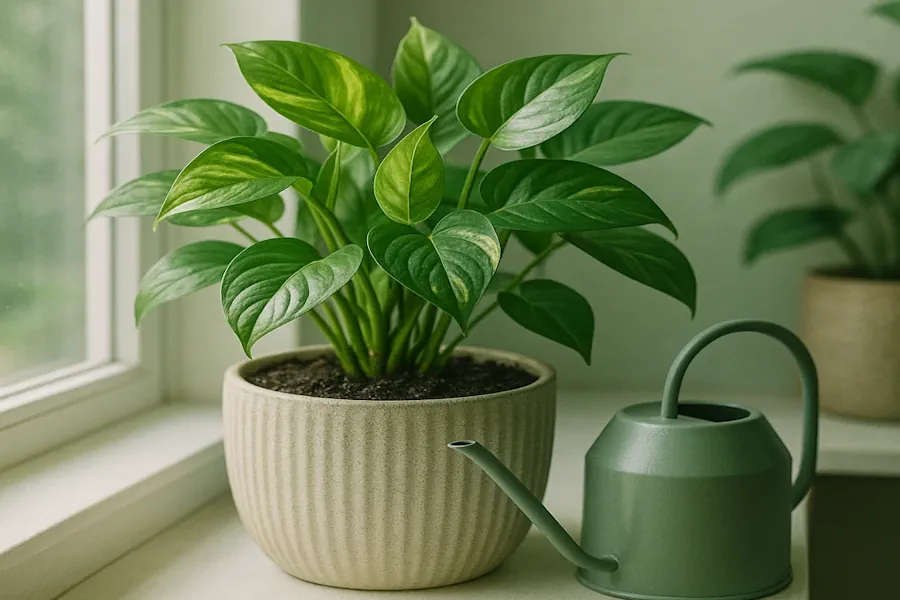
Pothos plants are known for their low-maintenance nature, but proper watering is still crucial for their health and growth. Understanding the right time to water your pothos can help prevent common issues such as overwatering or underwatering, both of which can harm your plant. In this guide, we’ll explore how often you should water a pothos, how to tell when it’s time to water and tips for keeping your plant healthy.
Watering Frequency for Pothos
Pothos prefer to dry out between waterings, so overwatering is one of the most common mistakes when caring for this plant. The general rule of thumb is to water your pothos when the top 2 inches of soil are dry to the touch. This usually translates to watering about once every 1-2 weeks, but the exact timing will depend on environmental factors such as temperature, humidity, and the size of the pot.
- Summer (Growing Season): During the warmer months, your pothos will likely require more frequent watering as it is actively growing. Water approximately every 7-10 days or when the top 2 inches of soil dry out.
- Winter (Dormant Period): In the colder months, the plant’s growth slows down, and it will need less water. Watering can be reduced to once every 2 weeks or as needed.
Signs It’s Time to Water Your Pothos
There are a few clear indicators that your pothos needs water:
- Dry Soil: The easiest way to determine if it’s time to water is by checking the soil. Insert your finger about 2 inches into the soil. If it feels dry, it’s time to water.
- Drooping Leaves: Pothos will naturally droop slightly when they’re thirsty. If you notice the leaves are sagging or wilting, it’s a sign that the plant needs water.
- Leaf Curling: If the leaves begin to curl inward, this can also indicate dehydration. Water the plant to restore its turgidity.
- Yellowing Leaves: Although yellow leaves are often associated with overwatering, it can also occur when the plant is too dry. Ensure that you’re not leaving the plant too long without water.
How to Water Your Pothos Properly
Proper watering is just as important as the timing. Here’s how to water your pothos effectively:
- Water Thoroughly: When you water your pothos, make sure to water deeply until you see water draining out of the bottom of the pot. This ensures that the entire root system is hydrated. Don’t just water the surface.
- Avoid Water Sitting in the Saucer: After watering, empty any excess water from the saucer under the pot. Pothos don’t like to sit in standing water, which can lead to root rot.
- Use Room Temperature Water: Avoid using extremely cold or hot water, as it may shock the roots. Room temperature water is ideal for pothos.
Overwatering vs. Underwatering: How to Tell the Difference
Pothos can tolerate occasional underwatering, but overwatering is far more detrimental. Here’s how to tell if you’ve watered too much or too little:
- Overwatering Symptoms: If you water too frequently or allow the plant to sit in soggy soil, the roots can become waterlogged, leading to the development of root rot. Symptoms of overwatering include yellowing leaves, mushy stems, and a musty smell from the soil.
- Underwatering Symptoms: While pothos can recover from underwatering, consistently allowing them to dry out excessively will stunt their growth. Signs of underwatering include dry, crispy leaf edges, leaf curling, and overall wilting.
Environmental Factors Affecting Watering
- Temperature: In warmer environments, pothos will need more frequent watering. Hot, dry conditions can cause the soil to dry out quickly.
- Humidity: Pothos prefer moderate humidity, but they can adapt to dry air. If your home is dry, especially in winter, you might need to water more often or increase the humidity around the plant by using a humidifier or misting the plant.
- Pot Size and Drainage: The size of the pot and the number of drainage holes will affect how often you need to water your pothos. A larger pot holds more soil, allowing it to retain moisture for a longer period. Ensure your pot has good drainage to avoid water retention around the roots.
Best Practices for Watering a Pothos
- Check Soil Moisture Regularly: Make it a habit to check the soil moisture level weekly to avoid both overwatering and underwatering.
- Use Well-Draining Soil: A well-draining soil mix is essential to ensure that excess water doesn’t sit around the roots, preventing root rot.
- Water Less in Winter: During the colder months when pothos are not actively growing, reduce watering frequency. Pothos in low-light or cooler areas need less water than those in bright, warm rooms.
- Ensure Proper Drainage: Use a pot with good drainage holes. This allows excess water to escape, preventing soggy soil and root rot.
Common Watering Problems and Solutions
- Yellowing Leaves: If your pothos leaves are yellow, check if the soil is soggy. This could be a sign of overwatering or poor drainage. Allow the soil to dry out and check the pot’s drainage.
- Crispy Leaf Tips: Dry, crispy leaf tips are often a sign of underwatering. Water your plant thoroughly and consistently, ensuring it’s hydrated properly.
- Root Rot: If you suspect root rot (soggy, foul-smelling soil and mushy stems), remove the plant from its pot, trim off any rotting roots, and repot it in fresh, well-draining soil. Reduce watering frequency to avoid further rot.
Frequently Asked Questions (FAQs)
Q1: Can pothos survive if I forget to water it for a week?
Yes, pothos are quite resilient and can tolerate occasional underwatering. However, don’t make it a habit to skip watering. It’s best to check the soil regularly.
Q2: How do I know when to water my pothos in the winter?
In winter, reduce watering frequency. Always check the top 2 inches of soil, and if it’s dry, water the plant. Pothos plants in lower light or cooler temperatures require less water.
Q3: Why are my pothos leaves turning yellow?
Yellowing leaves can be a sign of both overwatering and underwatering. Check the moisture level of the soil and adjust your watering schedule accordingly.
Q4: Should I water my pothos if the soil is still damp?
No, if the soil is still damp, wait until it dries out before watering again. Consistently wet soil can cause root rot.
Q5: Can I use a self-watering pot for my pothos?
Self-watering pots can be useful, but make sure to monitor the moisture levels. Pothos plants prefer to dry out a bit between waterings, so ensure the self-watering mechanism doesn’t keep the soil too moist.
Conclusion
Watering your pothos correctly is key to keeping them healthy and thriving. By checking the soil moisture regularly, providing proper drainage, and adjusting watering frequency based on the season and environmental factors, you can prevent overwatering and underwatering issues. Follow these simple guidelines, and your pothos will reward you with lush, vibrant growth.
Leave a Reply