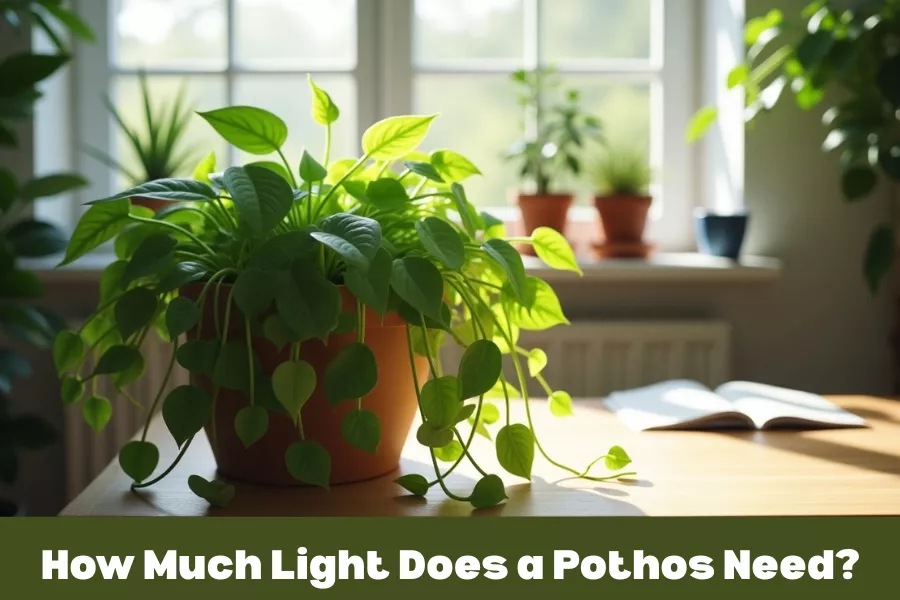
Pothos plants (Epipremnum aureum) are known for their easy-care nature, and one of the reasons they are so adaptable is because of their ability to thrive in different light conditions. Understanding how much light your pothos needs is essential to ensure it grows healthy and vibrant. In this guide, we’ll explore the ideal light conditions for pothos plants and how to provide the right amount of light for their growth.
Ideal Light Conditions for Pothos
Pothos plants thrive in bright, indirect light. They are highly adaptable and can tolerate low-light conditions, but their growth will be slower and less vigorous. Here’s a breakdown of the best light conditions for pothos:
- Bright, Indirect Light: The best light for pothos is bright, indirect light. A spot near an east- or west-facing window, where the plant receives sunlight filtered through a curtain or blind, is perfect for pothos.
- Low-Light Tolerance: Pothos can survive in low-light conditions but grow much slower and may lose some of their vibrant color. If placed in a darker corner or under fluorescent lighting, the plant may become leggy, and the leaves may lose their variegation (in the case of variegated varieties like the Marble Queen).
- Avoid Direct Sunlight: While pothos can tolerate some direct sunlight, excessive direct sun can scorch the leaves, causing brown patches or fading. It’s best to avoid placing your pothos in direct sunlight for long periods.
How Much Light Does a Variegated Pothos Need?
Variegated pothos varieties, such as the Marble Queen and Golden Pothos, are more sensitive to light than solid green varieties. For these plants, bright, indirect light is particularly important to maintain their vibrant leaf patterns. Insufficient light can cause them to lose their variegation and revert to solid green.
If you notice that the variegation is fading and the leaves are becoming mostly green, it’s likely that the plant is not getting enough light. Move it to a brighter location to help restore the variegation.
Signs Your Pothos Is Getting Too Much or Too Little Light
Pothos are relatively forgiving, but the right amount of light is essential for optimal growth. Here are the signs to look out for:
- Too Much Light: If your pothos is receiving too much direct sunlight, the leaves may begin to show signs of scorching. You may notice brown patches or crispy edges on the leaves. If this happens, move your plant to a location with indirect light.
- Too Little Light: When pothos don’t receive enough light, their growth slows down significantly, and they can become leggy. The leaves may appear smaller, and the plant may stretch towards the light source (a condition known as “etiolation”). If your pothos seems to be growing slowly or is becoming leggy, try moving it to a brighter location with indirect light.
How to Position Your Pothos for Optimal Light
Here are some tips on where to place your pothos to give it the best light:
- Near an East-Facing Window: An east-facing window provides bright morning light that isn’t too intense, making it an ideal location for pothos.
- Near a West-Facing Window: A west-facing window offers bright light in the afternoon, but it can be a little more intense than morning light. Ensure the sunlight is filtered or indirect.
- Avoid North-Facing Windows: North-facing windows generally provide low light, which may not be enough for your pothos to thrive. However, if you have no other options, pothos can adapt to low-light conditions, though growth may be slower.
- Indirect Light Sources: If you don’t have access to natural light, pothos can adapt to fluorescent lights or other artificial light sources. Place the plant a few feet away from the light to mimic the indirect light it would receive in nature.
Light Requirements for Different Types of Pothos
While the basic light requirements are the same, different types of pothos can have slight variations in their preferences:
- Golden Pothos: Golden pothos thrives in bright, indirect light, but it can adapt to lower light. However, its growth may slow, and the leaves may become more greenish than yellow or golden if it’s not receiving enough light.
- Marble Queen Pothos: This variety requires bright, indirect light to maintain its variegation. If you place it in a too-shady spot, it may lose its beautiful white and green patterns and become fully green.
- Neon Pothos: The neon variety loves bright, indirect light to maintain its striking chartreuse color. Like the Marble Queen, too little light will cause it to lose its vibrant color.
How to Supplement Light for Pothos
If your home doesn’t receive enough natural light, you can use artificial grow lights to supplement your pothos’ light needs. Grow lights provide the right spectrum of light for plant growth, and they’re especially useful in rooms with low light or during the winter months when natural light is limited.
- LED Grow Lights: These are energy-efficient and emit little heat. They are perfect for small to medium-sized plants like pothos.
- Fluorescent Grow Lights: Another option; these provide the necessary light spectrum and work well for pothos if used for about 12-14 hours a day.
Frequently Asked Questions (FAQs)
Q1: Can pothos survive in low light?
Yes, pothos can survive in low light, but growth will slow, and the plant may become leggy. The leaves may also lose their vibrant color, particularly in variegated varieties.
Q2: Can pothos grow in direct sunlight?
Pothos can tolerate brief periods of direct sunlight but should not be placed in direct sunlight for extended periods. Prolonged exposure to direct sunlight can scorch the leaves and damage the plant.
Q3: Why are the leaves on my pothos turning yellow?
Yellowing leaves can be a sign of too much sunlight, especially if the plant is exposed to direct sun. It can also be a sign of overwatering, so ensure your pothos is getting the right amount of water and light.
Q4: How can I make my pothos grow faster?
For faster growth, place your pothos in bright, indirect light. Regular watering and feeding with a balanced fertilizer during the growing season (spring and summer) will also help promote growth.
Q5: Can pothos grow under artificial light?
Yes, pothos can thrive under fluorescent or LED grow lights. If your home doesn’t receive enough natural light, a grow light can supplement the light needed for healthy growth.
Conclusion
Pothos plants are adaptable and can thrive in a range of lighting conditions. The key is to provide bright, indirect light for the best growth while avoiding excessive direct sunlight. Whether your pothos is placed in a well-lit window or under artificial light, adjusting the light conditions as needed will help your plant stay healthy and vibrant.
Leave a Reply