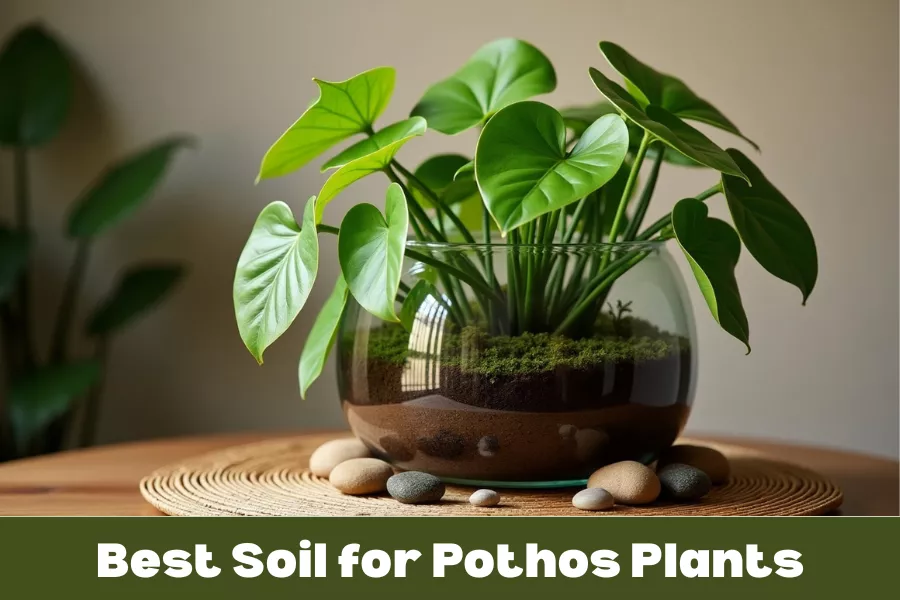
Choosing the right soil for your pothos is crucial for its health and growth. While pothos are adaptable and can thrive in various soil types, the best soil mix provides good drainage, adequate moisture retention, and a slightly acidic to neutral pH. Here’s everything you need to know to choose the best soil for your pothos plant.
Key Characteristics of Ideal Pothos Soil
Pothos plants thrive in soil that mimics their natural tropical habitat—well-draining, airy, and rich in organic matter. The right soil mix ensures the roots have access to oxygen while also holding enough moisture for healthy growth.
Here are the key elements to look for in the best soil for pothos:
- Well-Draining: Pothos are susceptible to root rot if the soil doesn’t drain properly. Good drainage ensures excess water doesn’t pool around the roots, preventing waterlogged soil.
- Moisture Retention: While drainage is essential, the soil should also be able to retain some moisture to keep the plant hydrated between waterings.
- Slightly Acidic to Neutral pH: Pothos prefer slightly acidic to neutral soil, with a pH level ranging from 6.1 to 6.8.
Best Soil Mix for Pothos
You can create the perfect soil mix for pothos by combining the following ingredients:
- Standard Houseplant Potting Mix
A basic potting mix is a good starting point for pothos. It’s lightweight, drains well, and typically contains peat moss, which helps retain moisture. However, it can benefit from added components to improve drainage. - Perlite
Perlite is an excellent addition to improve aeration and drainage. It helps to prevent the soil from becoming too compacted, ensuring that water flows through easily without retaining too much moisture around the roots. - Coco Coir or Peat Moss
Coco coir or peat moss adds moisture retention properties, keeping the soil moist between waterings. They are natural, fibrous materials that hold water while still allowing oxygen to reach the roots. - Orchid Bark or Pine Bark
Adding orchid bark or pine bark helps break up the soil, improving its structure. This allows for better drainage and more space for air to circulate around the roots, preventing soggy conditions.
DIY Pothos Soil Mix Recipe
If you prefer to create your own soil mix, here’s an easy recipe for a well-draining, moisture-retentive pothos soil mix:
- 2 parts standard potting mix
- 1 part perlite
- 1 part coco coir or peat moss
- 1/2 part orchid bark or pine bark (optional)
This mix provides a balanced combination of moisture retention, aeration, and drainage, ensuring that your pothos roots stay healthy and free from rot.
Pre-Packaged Soil Mixes for Pothos
If you prefer not to make your own mix, several pre-packaged soil mixes are suitable for pothos plants. Look for mixes labeled for tropical plants, aroids, or houseplants, which generally provide the right balance of drainage and moisture retention. Some recommended mixes include:
- FoxFarm Ocean Forest Potting Soil: A well-known, high-quality potting mix that provides the necessary drainage and moisture balance for pothos.
- Miracle-Gro Indoor Potting Mix: This mix is designed for indoor plants, offering the right texture for pothos while promoting strong root growth.
- Espoma Organic Potting Mix: A lightweight, well-draining mix enriched with organic materials that support healthy pothos growth.
Soil pH for Pothos
Pothos plants prefer slightly acidic to neutral soil. Soil pH ranges from 6.1 to 6.8 are ideal for optimal growth. If your soil is too acidic or too alkaline, your pothos may not absorb nutrients effectively, leading to poor health or stunted growth.
- Testing pH: Use a simple soil pH tester to measure the pH of your soil. If your soil is too acidic, you can raise the pH by adding a small amount of dolomitic lime. If it’s too alkaline, adding some sulfur can help lower the pH.
Common Soil Problems and Solutions
While pothos are relatively low-maintenance, there are a few soil-related problems you may encounter:
- Root Rot: This is the most common issue caused by overwatering and poor drainage. Ensure your pot has good drainage holes and that the soil dries out between waterings.
- Soil Compaction: Over time, soil can become compacted, limiting root growth. Refresh the soil mix or repot your pothos every 1-2 years to prevent this.
- Lack of Nutrients: If your pothos isn’t growing as expected, it could be a sign that the soil has become depleted of nutrients. Consider fertilizing during the growing season or repotting with fresh soil.
Frequently Asked Questions (FAQs)
Q1: Can I use regular garden soil for pothos?
Regular garden soil is not recommended for pothos as it often lacks proper drainage and can compact over time. It’s best to use a well-draining potting mix specifically designed for houseplants.
Q2: How often should I repot my pothos plant?
Pothos generally need to be repotted every 1-2 years or when their roots outgrow their current pot. Repotting helps refresh the soil and provides more space for root growth.
Q3: Is it necessary to add perlite to the soil mix?
Yes, perlite is highly recommended for pothos. It helps improve drainage, preventing water retention around the roots and reducing the risk of root rot.
Q4: Can pothos tolerate soil that is too wet?
No, pothos are susceptible to root rot if the soil stays too wet. It’s essential to use a well-draining mix and ensure your pot has drainage holes to prevent water from collecting at the bottom.
Q5: Can I use cactus or succulent soil for pothos?
Cactus or succulent soil may not provide enough moisture retention for pothos. While it drains well, it can be too dry for pothos, which prefer slightly moist conditions.
Conclusion
Choosing the best soil for your pothos plant is essential for its growth and health. A well-draining, yet moisture-retentive mix ensures that the roots remain healthy and can absorb the necessary nutrients. Whether you create your own mix or purchase a pre-packaged one, following the guidelines above will help you establish the ideal environment for your pothos to thrive.
Leave a Reply